
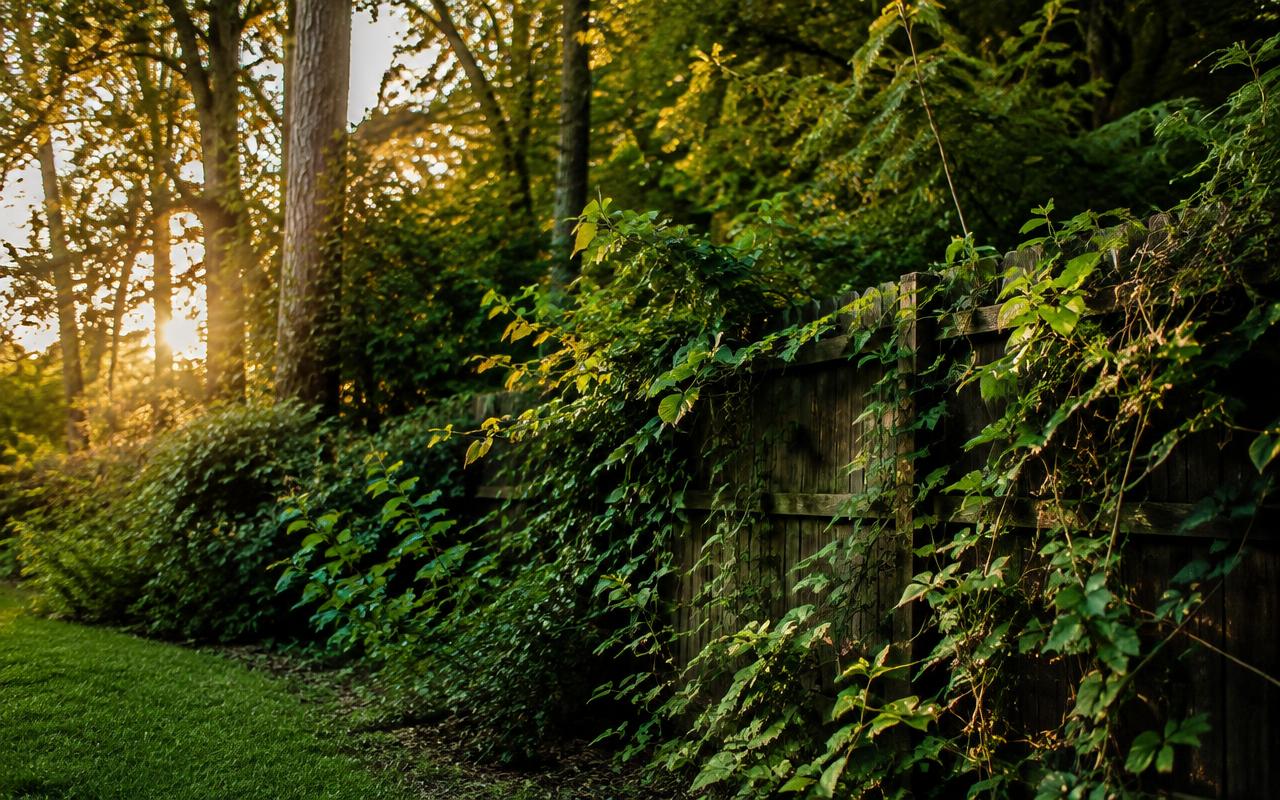
Your Backyard Might Be Hiding More Than You Think
Your backyard should be a place where you can relax, entertain, and enjoy the outdoors.
But have you ever stopped to think about what's actually growing back there?
Not every green plant is harmless.
Some plants can irritate your skin, while overgrown vegetation can create favorable hiding places for unwanted pests and wildlife.
Before grabbing your gardening gloves and heading into an unfamiliar patch of greenery, there are a few things worth knowing.
Poison Ivy: Leaves of Three, Let It Be
Poison ivy is commonly found in wooded areas, along fences, and near trees.
It often grows with three leaflets.
The plant contains urushiol, an oil that can cause an itchy allergic rash.
Even dead poison ivy vines may still contain the oil.
Burning poison ivy is particularly dangerous because inhaling contaminated smoke can cause serious reactions.
Poison Oak
Poison oak can also cause allergic skin reactions.
Like poison ivy, it often has three leaflets, but its leaves may resemble oak leaves.
Appearance varies, so identifying it from a single feature isn't always reliable.
Poison Sumac
Poison sumac is commonly associated with wet or swampy areas.
It typically has multiple leaflets arranged along a central stem.
Contact with its oil can cause an allergic rash.
Overgrown Vines and Dense Vegetation
Thick vegetation may look harmless, but it can make it difficult to see what's underneath.
Dense brush can provide sheltered areas for ticks, rodents, and other wildlife.
Thorny plants can also make clearing vegetation difficult.
What About Plants That Attract Bugs?
Not all insects are bad.
Many plants attract beneficial pollinators such as butterflies and bees.
However, certain landscaping conditions can contribute to unwanted pest activity.
For example:
- Standing water can provide mosquito breeding sites.
- Dense, shaded vegetation can offer shelter for ticks.
- Overgrown areas may provide cover for rodents.
- Fallen fruit and decaying organic material can attract certain insects and wildlife.
The goal isn't to eliminate every insect or plant.
It's to maintain a healthy, manageable outdoor environment.
Why Professional Landscaping Assistance Matters
Clearing unfamiliar vegetation can involve exposure to irritating plants, sharp thorns, insects, and hidden wildlife.
Experienced landscaping professionals can help evaluate overgrown areas, identify maintenance concerns, and determine whether specialized plant removal is needed.
For hazardous plants or wildlife, appropriate protective measures and qualified specialists may be necessary.
Interactive Feature
What's That Plant?
Your backyard may be beautiful, but understanding what's growing in it is an important part of keeping your outdoor space safe and manageable.