Empty Doesn't Always Mean Ready
The previous tenant has moved out.
The keys have been returned.
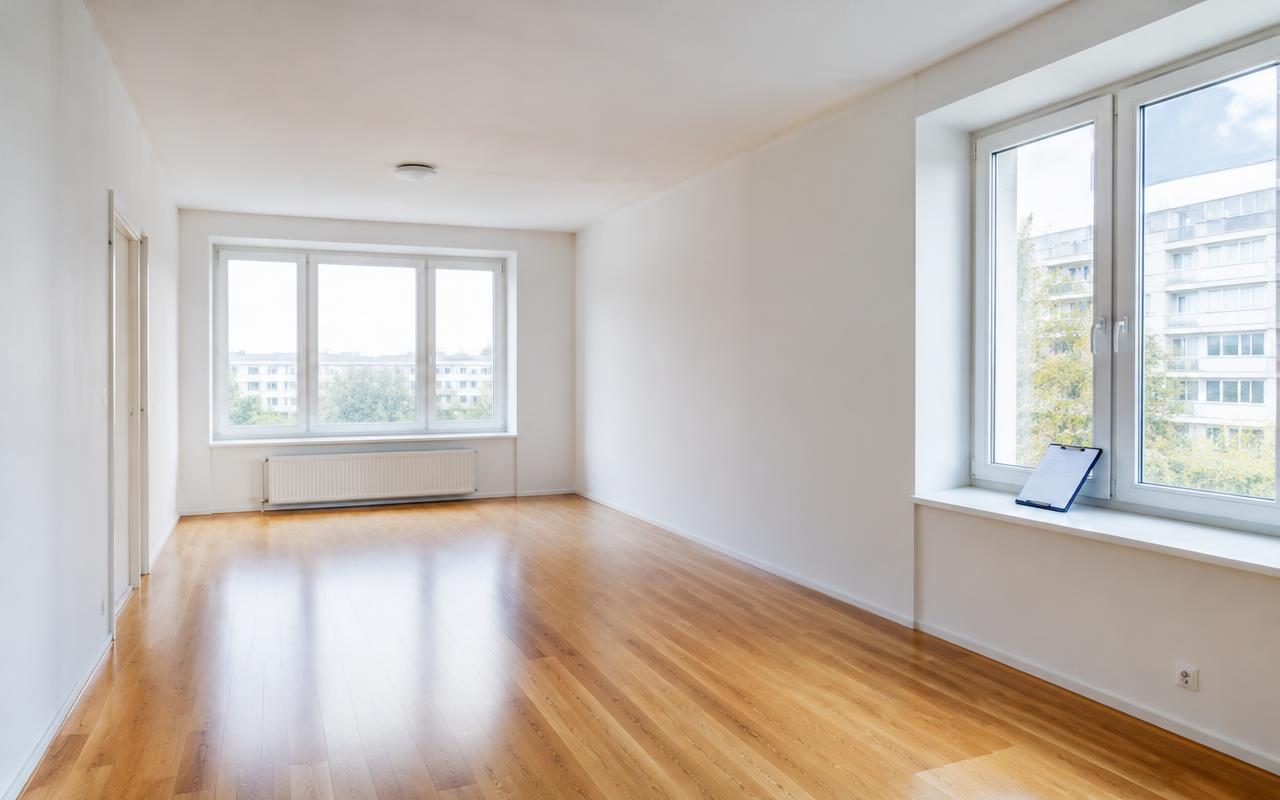
The property is completely empty.
So it's ready for the next resident, right?
Not necessarily.
Property turnovers involve more than removing belongings and sweeping the floors.
Small maintenance and cleaning issues can easily go unnoticed until a new tenant moves in.
Walls, Doors, and Trim
Scuff marks, nail holes, chipped paint, and damaged trim are common after a tenant moves out.
Addressing these issues before the next resident arrives helps maintain the property's appearance.
Kitchens and Appliances
Even when appliances appear clean, grease and residue can remain in less visible areas.
Cabinet interiors, refrigerator seals, and spaces around appliances deserve attention.
Bathrooms
Bathrooms should be inspected for more than surface cleanliness.
Look for:
- Leaking faucets
- Damaged caulking
- Drainage problems
- Toilet movement or leaks
- Moisture damage
- Grime around fixtures
Flooring
Carpets may retain stains and odors.
Hard floors may have scratches, residue, or damage.
Inspecting flooring helps determine whether cleaning, repairs, or replacement may be necessary.
Windows and Fixtures
Window tracks, blinds, light fixtures, and interior doors are frequently overlooked during turnovers.
These details can influence a new tenant's first impression.
Exterior Areas
Patios, walkways, gutters, and landscaping should also be reviewed.
Outdoor maintenance concerns can affect the overall condition of the property.
Why a Turnover Checklist Matters
A documented turnover process helps property managers coordinate cleaning, repairs, and inspections.
It also makes it easier to identify incomplete work before a new resident arrives.
Interactive Feature
Is Your Property Move-In Ready?
A successful property turnover isn't just about filling a vacancy. It's about preparing the space for its next chapter.